CASE 01 / MERGE + RESTORE
Tidekeeper
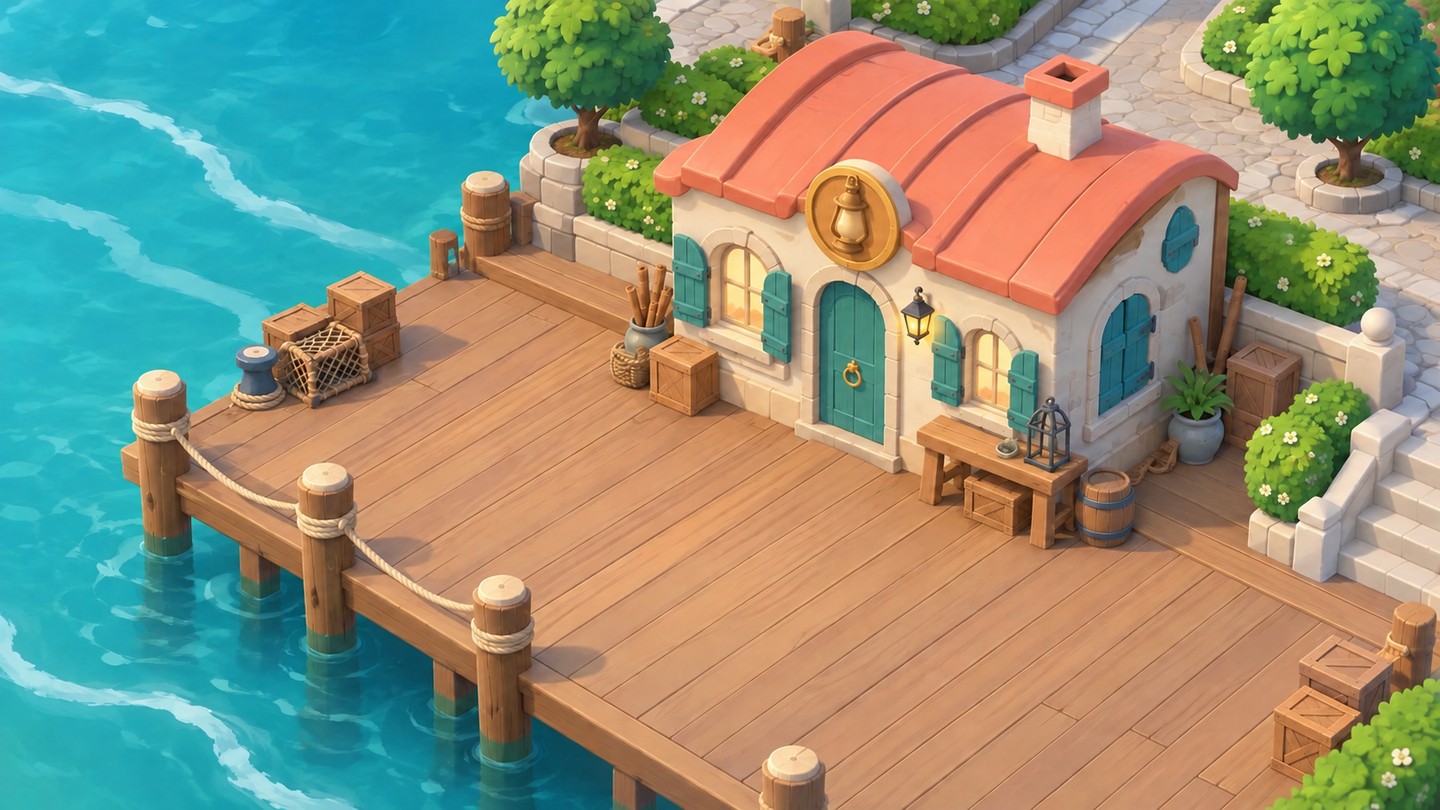
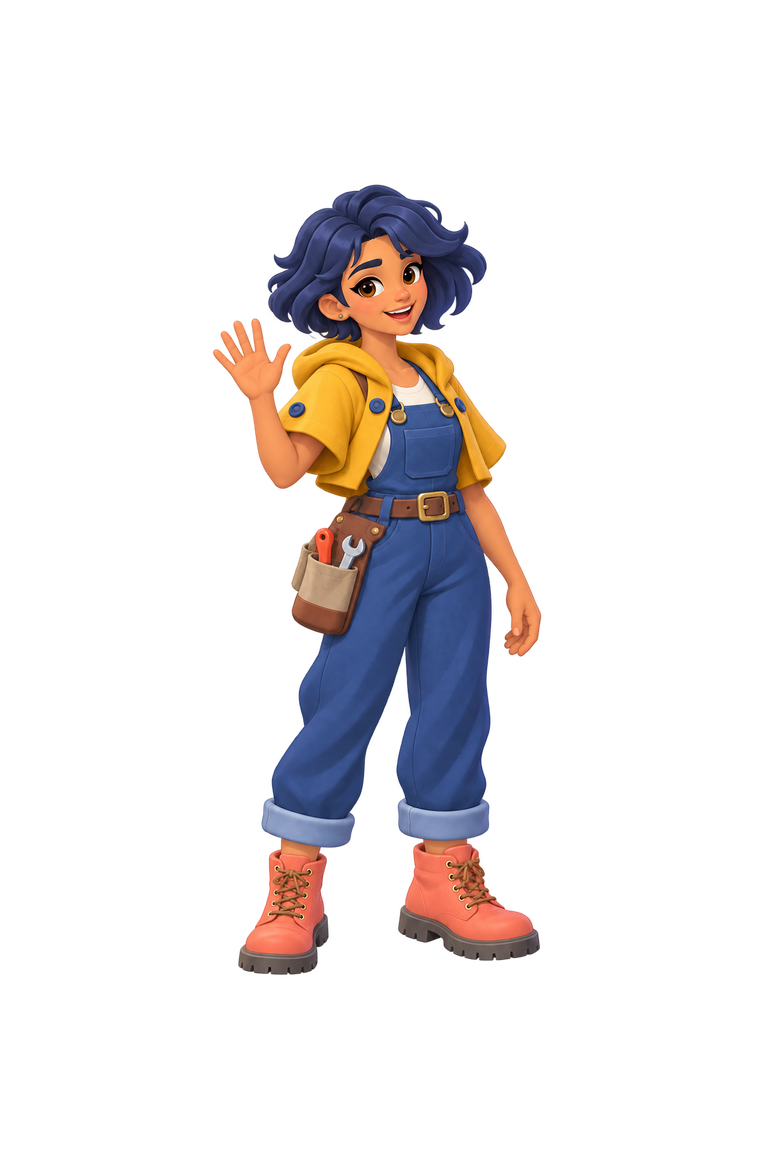
Seven item families carry one bright harbor language from individual files into the playable repair journey.

FOR GAME TEAMS & SOLO CREATORS
Give people and agents the art direction, references and component requirements to make consistent work for your game.
A NOTE FROM ERIC
Of everyone I know, he is one of the people I would most readily call an artist.
In games, a lot of conversations are about pipelines, tools and efficiency. He talks about how a group of people can speak to one another through something they make. He cares about that elusive thing: how it feels.
For a while, we met often for meals or coffee. Whenever work came up, he had the same complaint: he had spent another whole day explaining “what we’re trying to make” to a new teammate, an outsourcing partner, or another AI that was becoming better at following instructions and worse at making its own judgments.
I asked him, “Which part actually frustrates you?”
He thought for a moment. “It’s not that their work is bad. It’s that I have to explain everything from the beginning, every time. I finish explaining one version, and then I have to start again with the next. And once making a game becomes pure engineering—processes, parameters, checklists—the artistry, the playfulness, the fun starts to disappear.”
That stayed with me.
I’m a game lover and an FDE—a forward-deployed engineer. My work is about helping people connect the pieces. I realized that his problem had never been his taste. His taste was good. The problem was that he couldn’t hand it over or reuse it. It lived in his head, and in those few minutes when he explained it all again.
So we talked some more and did a few interviews. We gradually drew out the judgments behind his work: the references, the samples, what could change and what had to stay. We shaped them into something another person, or even an AI, could work from.
It doesn’t design for him or replace his taste. It gives that “feeling” a form he can pass on.
Later, he actually started using it.
That’s why I made a “visual memory”: to keep an artist’s sensibility from being swallowed by engineering.
THE EVIDENCE
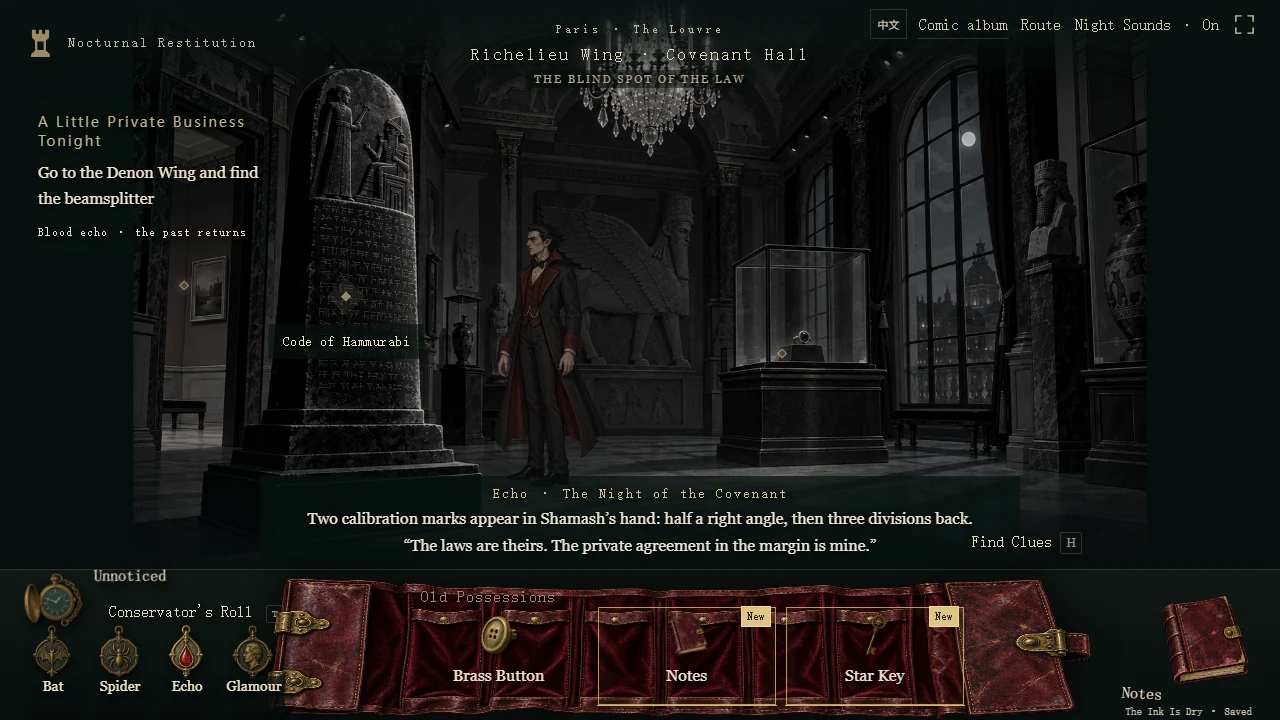
The playable screen is shown beside the source assets that made it. The match in shape, palette, material and detail is the point.
CASE 01 / MERGE + RESTORE
Seven item families carry one bright harbor language from individual files into the playable repair journey.
CASE 02 / GOTHIC PUZZLE ADVENTURE
Burgundy cloth, worn leather, aged brass and cool stone connect character, objects, puzzles and UI in one illustrated gothic world.
CASE 03 / EXPLORE + DEFEND
The keeper, creature, lamp and defense pieces all carry the same carved, painterly forest language into play.
Original browser candidates. Human art-direction approval and production device/engine acceptance remain open. Skill use, checks and remaining limits ↗
Set the direction, assign components, create and review them together. This film uses the actual candidate assets.
Original candidate artwork · Pause to inspect
Download MP4 · 中文 ↗The director establishes the project pack. Members continue characters, environments, UI and item chains. This iteration adds repairs, evening lighting and boat arrival tied to delivered orders. Composition checks contact points, layers and state changes. The demo and Compositor export share scene recipes; the film compresses event timing. These are original candidates with cutout poses, not skeletal animation. Native Mac, human and engine acceptance remain open.
Use an Agent Skills-compatible tool such as Codex, Claude Code or Cursor. A solo creator can take both roles below.
npx skills add https://github.com/NewenergyEric/art-director-skill --skill art-directorCore helpers need Python 3.10+. You can also download the Skill ZIP and ask your agent to install it.
Put existing work, references and review notes in a folder your agent can read. Start with what you have.
Use $art-director. Here are our designs, references and notes. Draft our art direction, then help me define the character, environment and UI requirements. Prepare samples for me to review and package the result for the team.
You get A substantive draft, decisions needing your input, a sample plan and a shareable project pack.
Give your agent the director’s complete project pack. It contains the project’s rules and materials.
Read this project pack. Extend the lamp family by two levels. Keep its camera, light and materials; make each upgrade distinct in silhouette. Show me a first sample, the rules you used and the checks still open.
You get A versioned task, relevant references, a first sample and a check record. Creation uses the tools available in your agent.
Keep the conversation going: Check these assets against the rules. Show me what needs changing and why.
The material index, project brief, design rules, delivery checks and annotated references travel with the project Skill. Your team can work without the director’s original chat.
Runnable fictional drafts that show what a pack contains. Project-authored content stays in its original language; these are not approved production assets.
art-director establishes direction. The optional game-art-production organizes generation, assembly and layered delivery from the same pack. Compositor is an optional layer editor, not a generator or animation runtime. Production Skill ZIP
The frozen Tidekeeper 0.3.0 pack preserves the earlier scene recipes and Compositor export. It predates the eight-frame repair action in 0.4.0. Format and relocation checks passed; native Mac opening remains untested. 0.3.0 candidate ZIP · 0.3.0 evidence · Earlier visual studies
Yes. The agent starts with your current rules and samples, identifies gaps and helps you fill them. Discuss changes naturally; the agent keeps the guides and project pack in sync.
The director owns direction and release decisions. The Skill organizes the evidence, checks against the rules and explains revisions. Passing a technical check is separate from visual approval.
The director publishes a new version. New tasks use it; existing tasks keep their original versions so their rules do not shift midway.
GAME DEV SKILLS
For solo creators, four hats. For teams, connected responsibilities. Start with the question you have; let evidence from the work improve the earlier decisions.
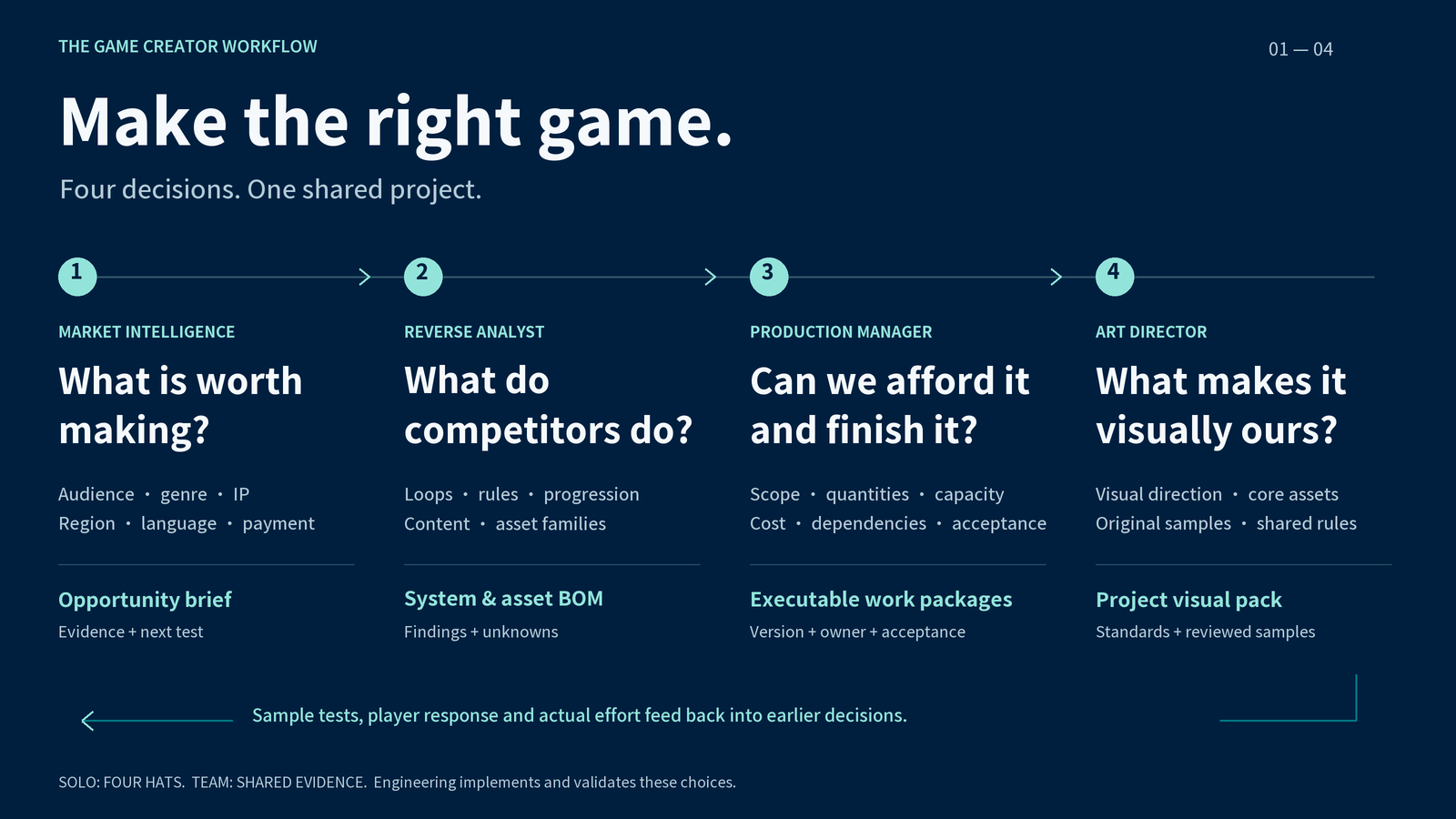
↶ Sample tests, player response and actual effort feed back into earlier decisions.
Engineering implements and validates these choices alongside art and content production. This map describes how the roles work together; it does not claim automatic orchestration.

